Exercise is crucial to maintaining
your health and well being, but it may be even more important in aging
and senior adults. While there are concerns surrounding seniors
exercising, the health benefits of an active lifestyle far outweigh the
risks. It’s true that seniors may take longer to heal and recover from
injuries, but moderate exercise levels are good for people of all ages.
Regular exercise and an active
lifestyle for seniors provides a variety of health benefits that extend
beyond the obvious, including improvements in blood pressure, diabetes,
lipid profile, osteoarthritis, osteoporosis, and neurocognitive
function.
WHY SHOULD SENIORS BE ACTIVE?
There are many reasons for seniors to
have an active lifestyle that range from preventing physical injuries
to improving mental health. Here are 10 key health benefits to seniors
participating in regular fitness activities and upholding an active
lifestyle.
1. FITNESS IMPROVES SENIOR HEALTH
On the macro level, overall health
quality is higher when seniors participate in exercise programs.
Individuals who exercise have reduced risks of chronic illnesses and diseases, and have improved immune and digestive systems.
2. EXERCISE HELPS WITH MANAGING BODY WEIGHT
Exercise helps people of all ages maintain or lose body weight. However, our metabolism
naturally slows with age, so the importance of exercise increases.
Adding cardio and strength training workouts develops muscle mass, and
in turn, increases metabolism and burns more calories to promote
positive weight loss.
3. WORKING OUT INCREASES BONE HEALTH & STRENGTH
Regular activity builds healthy bones
and helps maintain bone strength in seniors. Exercise works on bones
much like it works on muscles — by making them stronger. Because bone is
living tissue, it changes in response to the forces placed upon it.
When you exercise regularly, your bone adapts by building more cells and
becomes denser.
4. STAYING ACTIVE PROMOTES HEART & CARDIOVASCULAR HEALTH
Frequent physical activity reduces the risk
of heart disease and enhances your cardiovascular health. Adding a mix
of cardio and strength training will give you an added boost of energy
that will improve your heart health overall. However, underlying heart
conditions and hereditary diseases will not go away as a result of
exercising, but staying active can help you maintain a higher quality of
life.
5. EXERCISE BUILDS POSITIVE MENTAL HEALTH
Living an active lifestyle and exercising frequently leads to a variety of mental health benefits. Exercise is shown to help fight depression
when muscle generated mood boosters become active and is shown to
reduce stress. Maintaining activity levels may even help slow the
progression of brain disorders such as Alzheimer’s disease.
6. BUILDING STRENGTH PREVENTS FALLS
Falls are serious at any age, but
seniors are particularly at risk of injury if bone strength and density
are low. Having an active lifestyle will help you stay balanced and prevent falls
by building muscle strength and improving bone health later through
simple low impact exercises. It’s also recommended that you test your bone density to know your risks of osteoporosis.
7. STAYING ACTIVE PROMOTES SLEEP
Sedentary individuals tend to have
more trouble getting quality rest, but an active lifestyle could help
you fall asleep. Adding regular aerobic exercise during the day promotes
deeper sleep by raising your core body temperature and encouraging rest
when you start to cool down. Working out 2-3 hours before bed will help
you stay asleep and leave you waking up refreshed.
8. AEROBIC EXERCISE REDUCES HYPERTENSION
If you’re a senior with hypertension, exercise is medically proven
to help lower blood pressure. Adding 30-minutes or more of moderate
aerobic exercise, five times a week will measurably reduce blood
pressure, lower stress and decrease the risk of some cardiovascular
problems.
9. EXERCISE IMPROVES SOCIAL WELLNESS
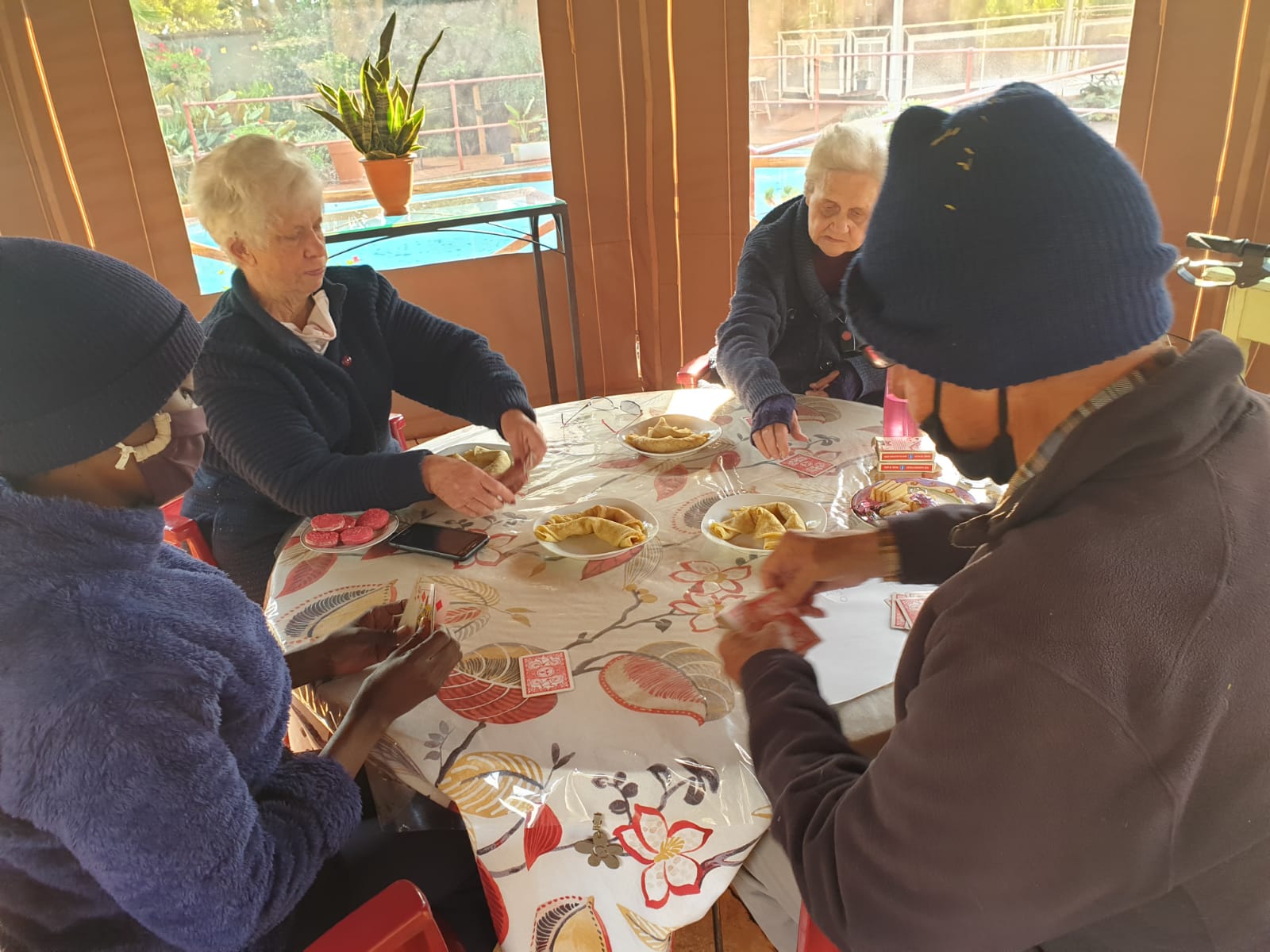
For many seniors, having an active social life can be difficult. Some aging adults are increasing their social wellness
by making exercise a fun group outing with others in their communities.
Whether it’s through joining a walking group or participating in an
aerobics class, socializing while working out keeps people young at
heart and mentally sharp.
10. WORKING OUT KEEPS YOU FOCUSED AND GIVES YOU MORE ENERGY
Exercise is linked to improved cognitive function and better motor skills. Physical activity is also associated with lowering the risk
of vascular dementia in seniors. Maintaining a regular fitness routine
can help seniors stay focused and allow them to lead a higher-quality
life with more energy.

WAYS SENIORS CAN STAY ACTIVE
Getting older doesn’t have to mean
abandoning an active lifestyle, but it does mean adjusting your workout
routine to your body. We recommend talking with a physical therapist to help you find a fitness plan that suits your body to prevent injuries. The ideal senior fitness and activity plan includes three areas of emphasis:
- aerobic/endurance components
- strength and resistance training
- and stretching and flexibility exercises
AEROBIC/ENDURANCE
Experts recommend
30-minutes of aerobic/cardiorespiratory exercise each day. When done at
a brisk pace, walking, jogging, swimming, and cycling all contribute
towards getting your heart rate up and breathing faster. For seniors
that are just getting started with their exercise routine, it’s
acceptable to spread the 30-daily-minutes out into three 10-minute periods over the course of the day.
If injuries or pre-existing
conditions make impact activities painful, consider trying low-impact
activities instead, such as cycling or swimming. After several weeks of
maintaining a daily aerobic/cardio exercise routine, many seniors will
see an increase in fitness performance, as well as a greater ability to
perform daily tasks without getting as winded or tired.
STRENGTH & RESISTANCE FOR SENIORS
Strength and resistance training uses
and builds muscles with repetitive, often weight-bearing, motion
exercises. Strength training routines should be done 2-3 times per week,
with exercises focused on all major muscle groups (arms, legs, core)
being done in 1-2 sets of 10-15 repetitions at light to medium
intensity. If weights and strengthening equipment are too heavy,
resistance bands or bodyweight are excellent alternatives to build up
strength. Wall sits, sit-ups, and push-ups are all simple and
equipment-free ways to build muscle mass.
STRETCHING & FLEXIBILITY
Stretching warms up and cools down
your muscles before and after cardio activities and strength building.
Stretching also improves flexibility, which reduces the likelihood of
injuries, improves your range of motion, and lessens muscle soreness and
stiffness. Gentle stretching, yoga, Pilates, and Tai Chi all contribute
to overall flexibility and are low impact exercises on joints. Light
stretching and flexibility exercises are safe when done daily and
overall fitness and activities will benefit from them.
STAY SAFE AND CONSULT WITH YOUR DOCTOR
Care should be taken to ease into new
routines and accommodate the current level of fitness, proneness to
injuries, and any pre-existing health conditions. Again, when starting a
new fitness regimen, participants should always check with their doctor
to determine the safest and most effective plan. Active and aging
adults should also let their physician know if they are experiencing:
- Dizziness or shortness of breath
- Chest pain or pressure
- Blood clots
- Infection
- Sores that won’t heal
- Joint swelling
Sourced from: https://www.nwpc.com